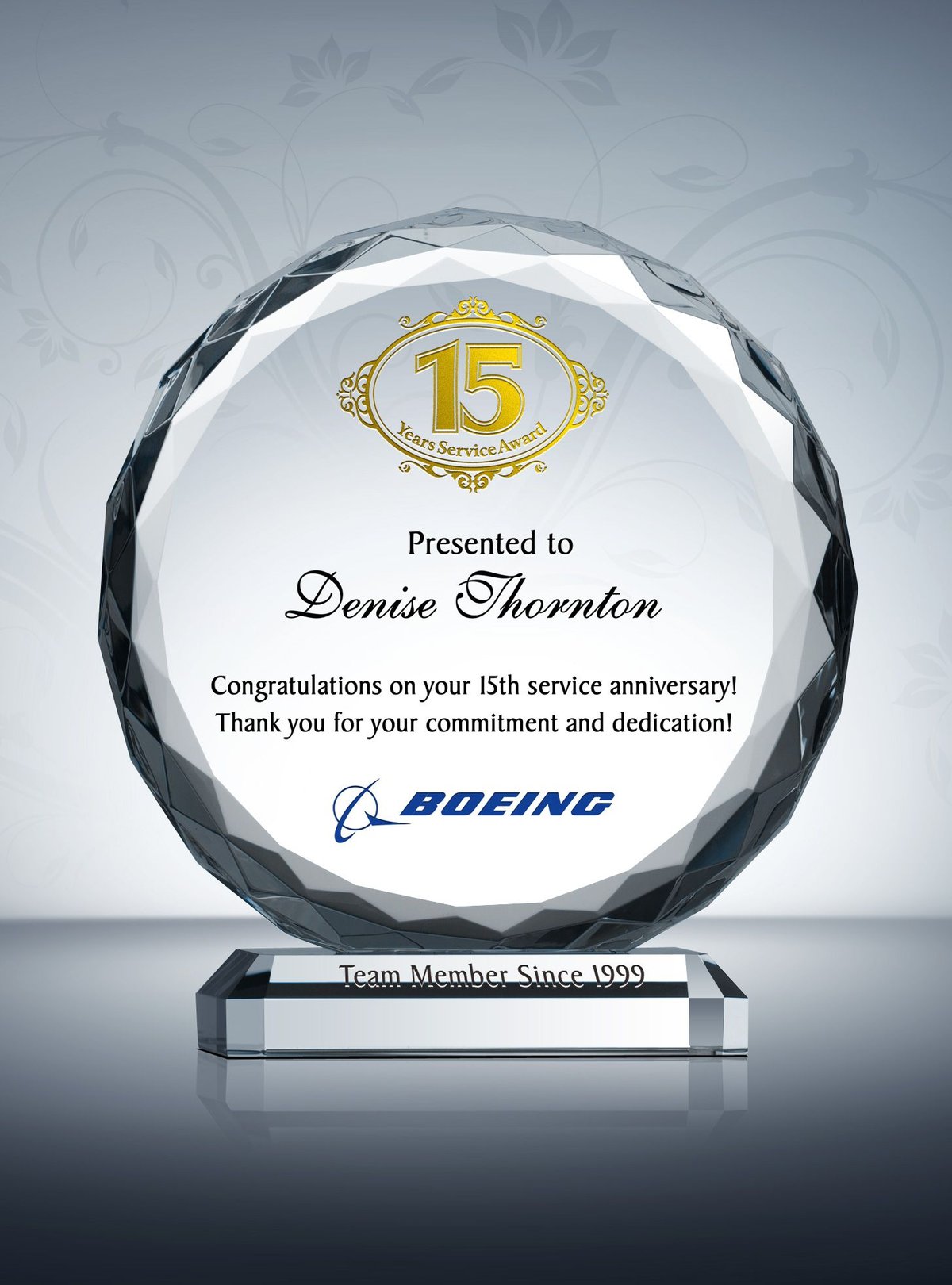
In a world reshaped by seismic shifts like remote work, economic swings, and the "great resignation," something fundamental has become abundantly clear: people need to feel seen, valued, and genuinely appreciated. We're not talking about a yearly pat on the back or a token gift card; we're talking about meaningful Employer Recognition & Career Impact — a powerful force that ignites engagement, fosters loyalty, and propels individual growth opportunities.
Once considered a nice-to-have, often treated as a perfunctory task, recognition has dramatically evolved. What was once seen by only 2% of organizations as a competitive differentiator in 2018, is now a cornerstone of a mature, thriving workplace. It's the critical emotional connection that binds organizations and their employees, driving not just satisfaction but genuine, measurable career advancement.
At a Glance: Why Recognition Matters More Than Ever
- From "Nice-to-Have" to "Must-Have": Recognition has transformed from a superficial gesture into a strategic differentiator and a key indicator of organizational health.
- Beyond the Paycheck: Nonmonetary recognition, like a simple "thank you" or opportunities for learning and development, is often preferred over monetary rewards for daily accomplishments.
- Personalization is Power: Effective recognition isn't one-size-fits-all. It's tailored to individual preferences, whether public praise, private acknowledgment, or specific types of achievements.
- Team Wins, Collective Success: Recognizing team contributions fosters camaraderie, strengthens bonds, and boosts collective engagement.
- Always-On Appreciation: The most impactful recognition is embedded into daily routines, utilizing technology to enable in-the-moment feedback and celebration.
- Direct Career Impact: Consistent, meaningful recognition contributes directly to an employee's perceived value, leading to more growth opportunities and career progression.
The Shifting Sands of Work: Why Recognition is Now a Strategic Imperative
Think back to 2018. Organizations knew recognition was important, but many treated it as a box to check, not a strategic lever. A study from that year, the High-Impact Rewards study, found that while recognition programs existed, they often lacked true impact. Only a tiny fraction of companies saw them as a competitive differentiator, and a significant portion didn't see them as differentiators at all. The sentiment was clear: "We do recognition, but is it really moving the needle?"
Then came the seismic shifts: global pandemics, the abrupt pivot to remote work, economic turbulence, and the unprecedented "Great Resignation." These forces didn't just change where we work, but how we work and what we expect from our employers. The transactional relationship began to crack, revealing a profound human need for connection, meaning, and validation in our professional lives.
Fast forward to 2024, and the landscape is entirely different. The latest High-Impact Total Rewards study reveals a dramatic surge in the prominence and impact of recognition. It's no longer an afterthought; it's now explicitly a competitive differentiator and a hallmark of a mature total rewards strategy. Why? Because effective recognition builds a critical emotional connection between organizations and their people. It tells employees, unequivocally, "You matter. Your work matters. Your contributions are seen and valued." This emotional resonance is crucial for any organization looking to implement effective employee retention strategies in today's dynamic labor market.
Beyond Dollars and Cents: The Profound Power of Nonmonetary Recognition
When we talk about "recognition," many minds immediately jump to bonuses, raises, or gift cards. And while monetary rewards certainly have their place, they're only one piece of a much larger, more impactful puzzle. The truth is, some of the most powerful forms of recognition have nothing to do with money.
Deloitte research highlights this beautifully: a remarkable 54% of workers actually prefer a simple, verbal "thank you" for their day-to-day accomplishments, compared to a mere 7% who prioritize celebrations and gifts. This isn't to say celebrations are bad, but it underscores the immense value of consistent, immediate, and heartfelt appreciation.
Consider the simple act of a manager stopping by (virtually or physically) to say, "Hey, I saw how you handled that client issue yesterday – that was brilliant problem-solving," or "Your presentation really clarified things for the team; great job simplifying complex data." These moments, when genuine, carry significant weight.
Another highly valued form of nonmonetary recognition? Opportunities for growth and learning. Employees are hungry to expand their skills, take on new challenges, and see a clear path forward in their careers. Offering access to professional development, mentorship programs, or even encouraging them to pursue specialized certifications like understanding the value of Coursera certificates for skill advancement, can be incredibly motivating and affirming. It signals that an employer is invested in their long-term potential, not just their current output.
Designing a Recognition Strategy That Truly Resonates
A scattershot approach to recognition rarely works. To be truly effective, recognition needs to be strategic, intentional, and deeply personalized.
The Personal Touch: Why One Size Doesn't Fit All
Imagine two colleagues: Sarah loves being publicly celebrated, perhaps receiving an award in front of her peers. Mark, on the other hand, cringes at public displays and would much prefer a quiet, personal email from his manager acknowledging his hard work. Both deserve recognition, but their preferences for how they receive it couldn't be more different.
This highlights a critical truth: effective recognition requires personalization. Preferences vary widely regarding:
- Public vs. Private Acknowledgment: Some thrive on the spotlight, others prefer quiet appreciation.
- Who Conveys It: Is it from a direct manager, a peer, a senior leader, or even a client?
- Type of Accomplishment Recognized: Day-to-day efforts, major project milestones, going above and beyond, or embodying core company values?
Mature organizations understand this nuance. They are 7.2 times more likely to routinely gather and use data to personalize their recognition efforts. This might involve employee surveys, feedback channels, or even manager discussions to understand individual preferences. By tailoring the recognition, you ensure it lands with maximum impact, fostering deeper emotional connections and contributing to strategies to boost employee morale across the board.
Beyond the Individual: Celebrating Team Contributions
While individual accolades are vital, much of modern work is team-based. Ignoring collective achievements misses a huge opportunity to build camaraderie, foster collaboration, and reinforce a shared sense of purpose. High-maturity organizations are 2.8 times more likely to provide team-based recognition.
Recognizing a team for successfully launching a new product, exceeding a collective goal, or navigating a challenging project together sends a powerful message: "We value collaboration, and we celebrate our shared successes." This can be as simple as a team lunch, a personalized thank-you from a senior leader, or a team-specific bonus that acknowledges their collective effort.
Intentional Strategies: Aligning Recognition with Values
For recognition to be more than just a fleeting feel-good moment, it must be broad, intentional, and aligned with your organization's core values. This means developing a strategy that encompasses multiple programs and methods, all pointing back to what your company stands for.
For example, if innovation is a core value, create a recognition program specifically for employees who bring forward creative solutions or challenge the status quo. If customer centricity is key, reward those who go above and beyond for clients. When recognition is tied to values, it not only celebrates desired behaviors but also actively reinforces the company culture. It helps build a compelling Employee Value Proposition (EVP) that attracts and retains top talent.
Building an "Always-On" Culture of Appreciation
The most mature and impactful organizations don't just have recognition programs; they live a culture of "always-on" recognition. This isn't about grand gestures every quarter, but rather embedding appreciation into the very fabric of daily routines.
Think about it: how often do you see someone do something great and think, "I should really acknowledge that," but then the moment passes? An "always-on" culture provides the tools and encourages the mindset to act on those impulses instantly.
This involves:
- Empowering Everyone: Recognition shouldn't just flow top-down. Peer-to-peer recognition, where colleagues can easily acknowledge each other's contributions, is incredibly powerful.
- In-the-Moment Acknowledgment: The closer the recognition is to the action, the more impactful it becomes. Waiting weeks for a formal review dilutes the effect.
- Integrating Technology: The best recognition platforms aren't standalone systems; they're integrated into existing employee platforms where work already happens. Imagine being able to give a shout-out directly within your communication platform (like Slack or Teams) or project management tool (like Asana or Jira). This seamless integration makes recognition easy, natural, and immediate.
- Measuring Impact: Beyond just tracking how many recognitions are given, mature organizations measure the impact of their programs. Are recognized employees more engaged? Do they have higher retention rates? Is there a correlation with performance? Data helps refine and optimize the strategy.
The Direct Link: Recognition and Your Career Trajectory
While it's clear that employer recognition benefits the organization by boosting engagement and retention, its impact on individual career paths is profound and often underestimated. When you are consistently recognized for your contributions, it doesn't just feel good; it actively shapes your professional future.
Here's how:
- Enhanced Visibility and Reputation: Regular recognition, especially from leaders or across departments, significantly increases your visibility within the organization. People notice your work, your skills, and your reliability. This builds a strong professional reputation.
- Increased Opportunities for Growth: Recognized employees are often the first to be considered for new projects, leadership roles, or robust internal mobility programs. When management needs someone to tackle a challenging assignment or mentor a junior colleague, they'll turn to those who have a proven track record of excellent, recognized work.
- Boosted Confidence and Motivation: Knowing your efforts are seen and appreciated fuels confidence. This self-assurance encourages you to take on bigger challenges, speak up with ideas, and push your own boundaries, all of which accelerate career progression.
- Clearer Path for Development: When specific accomplishments are recognized, it helps you understand what you're doing well and where your strengths lie. This clarity can guide your personal development plan, allowing you to focus on honing those skills that bring the most value. For instance, if you're consistently recognized for your data analysis, you might seek further training in advanced analytics.
- Stronger Network and Mentorship: Recognition often opens doors to connecting with senior leaders or mentors who might not have noticed your work otherwise. These relationships can provide invaluable guidance, sponsorship, and access to future opportunities.
- Tangible Evidence for Reviews and Promotions: Consistent recognition provides concrete examples of your contributions, making performance reviews more robust and strengthening your case for promotions, raises, or advanced roles. It's not just "I worked hard," but "I was recognized for [specific achievement] on [date] by [person]."
In essence, meaningful recognition isn't merely a perk; it's a powerful accelerant for your career. It creates a positive feedback loop: you perform well, get recognized, feel motivated, take on more, and further advance your career.
Busting Common Myths About Employee Recognition
Despite its proven benefits, misconceptions about recognition still persist. Let's clear the air.
Myth #1: "Recognition is just extra work for managers."
Reality: While it requires intentionality, effective recognition doesn't have to be burdensome. In an "always-on" culture, it becomes a natural part of interaction. Moreover, the long-term benefits of increased engagement, productivity, and retention far outweigh the small time investment. It's an investment in your team's success, not an extra chore.
Myth #2: "Only monetary rewards truly motivate employees."
Reality: As highlighted by Deloitte, nonmonetary recognition, particularly a genuine "thank you" or opportunities for growth, often holds more weight for daily accomplishments. Monetary rewards are great for major milestones or as part of a compensation package, but they don't always provide the emotional connection or ongoing validation that nonmonetary forms do.
Myth #3: "Recognition is only for top performers."
Reality: While recognizing top performers is crucial, an effective recognition program celebrates a wide range of contributions – from consistent effort and problem-solving to demonstrating core values and supporting colleagues. Focusing solely on "heroes" can demotivate the majority who are consistently contributing. Everyone deserves to feel seen for their efforts.
Myth #4: "We don't have the budget for a fancy recognition program."
Reality: You don't need a huge budget to implement impactful recognition. Many of the most effective forms are free or low-cost: a sincere verbal thank you, a public shout-out, a personalized email, or an opportunity to lead a small project. The key is thoughtfulness and consistency, not expense.
For Leaders and Organizations: Building a Robust Recognition Program
If you're looking to elevate your organization's recognition strategy, consider these actionable steps and principles, drawing from the practices of highly mature organizations:
1. Develop Intentional Strategies, Not Ad Hoc Programs
Don't just launch a "recognize your peers" tool and call it a day. Develop a broad, overarching strategy that defines:
- Why: What are you trying to achieve with recognition (e.g., boost morale, reinforce values, drive innovation)?
- What: What types of behaviors and accomplishments will be recognized?
- How: What diverse methods will you employ (spot awards, milestone celebrations, verbal praise, growth opportunities)?
- Who: Who is empowered to give recognition (peers, managers, senior leaders)?
- When: How often will recognition occur (daily, weekly, quarterly, annually)?
Ensure your recognition efforts are deeply aligned with your organizational values and strategic goals.
2. Go Beyond Dollars and Cents
While monetary awards have their place, deliberately harness the power of nonmonetary recognition. Train managers on how to give specific, timely, and sincere verbal appreciation. Create pathways for employees to access growth opportunities, workshops, or mentorship. These "soft" recognitions build stronger relationships and a deeper sense of belonging.
3. Recognize Teams, Not Just Individuals
Build mechanisms to applaud both individual brilliance and collaborative team contributions. This could include:
- Team-based project completion bonuses.
- Dedicated "team shout-out" sections in company newsletters or meetings.
- Team celebratory events after reaching a major milestone.
- Peer-to-peer nomination systems that allow individuals to highlight a team's collective effort.
4. Embed the Experience: Make Recognition Easy and Ubiquitous
The goal is to make recognition a natural, low-friction part of the daily workflow.
- Integrate technology: Choose recognition platforms that seamlessly integrate with your existing communication and collaboration software (e.g., Microsoft Teams, Slack, internal intranets). This enables in-the-moment recognition without leaving the tools employees already use.
- Train and empower managers: Provide managers with the training and resources to become effective recognition advocates. Teach them the importance of personalization and consistency.
- Encourage peer-to-peer: Foster an environment where employees feel comfortable and empowered to recognize their colleagues.
- Lead by example: Senior leaders must actively participate in giving and receiving recognition to demonstrate its importance.
5. Personalize and Customize
Remember, preferences vary. Routinely gather employee feedback through surveys, focus groups, or informal conversations to understand how they prefer to be recognized. Use this data to tailor your programs and ensure that the recognition lands effectively. What works for one person might not for another.
6. Measure, Adapt, and Iterate
Don't just set it and forget it. Regularly measure the impact of your recognition programs. Look at metrics like:
- Employee engagement scores.
- Retention rates.
- Absenteeism.
- Feedback on program effectiveness.
- Correlation with performance indicators.
Use these insights to refine your strategies, identify what's working well, and pivot away from what isn't.
Your Next Steps: Cultivating a Culture of Appreciation
The evidence is overwhelming: Employer Recognition & Career Impact are inextricably linked. It's not just a feel-good initiative; it's a strategic imperative that directly influences engagement, drives growth opportunities, and builds a resilient, human-centered workplace.
Whether you're an employee seeking to understand how recognition can boost your career or an organizational leader aiming to foster a thriving culture, the message is clear: intentional, personalized, and "always-on" appreciation is the bedrock of modern success. Start small, gather feedback, and commit to making recognition a consistent, meaningful part of your professional life, or the lives of your team. The returns — in morale, productivity, and individual career flourishing — will be immeasurable.